The Best Vegetables to Feed Your Baby at All Stages
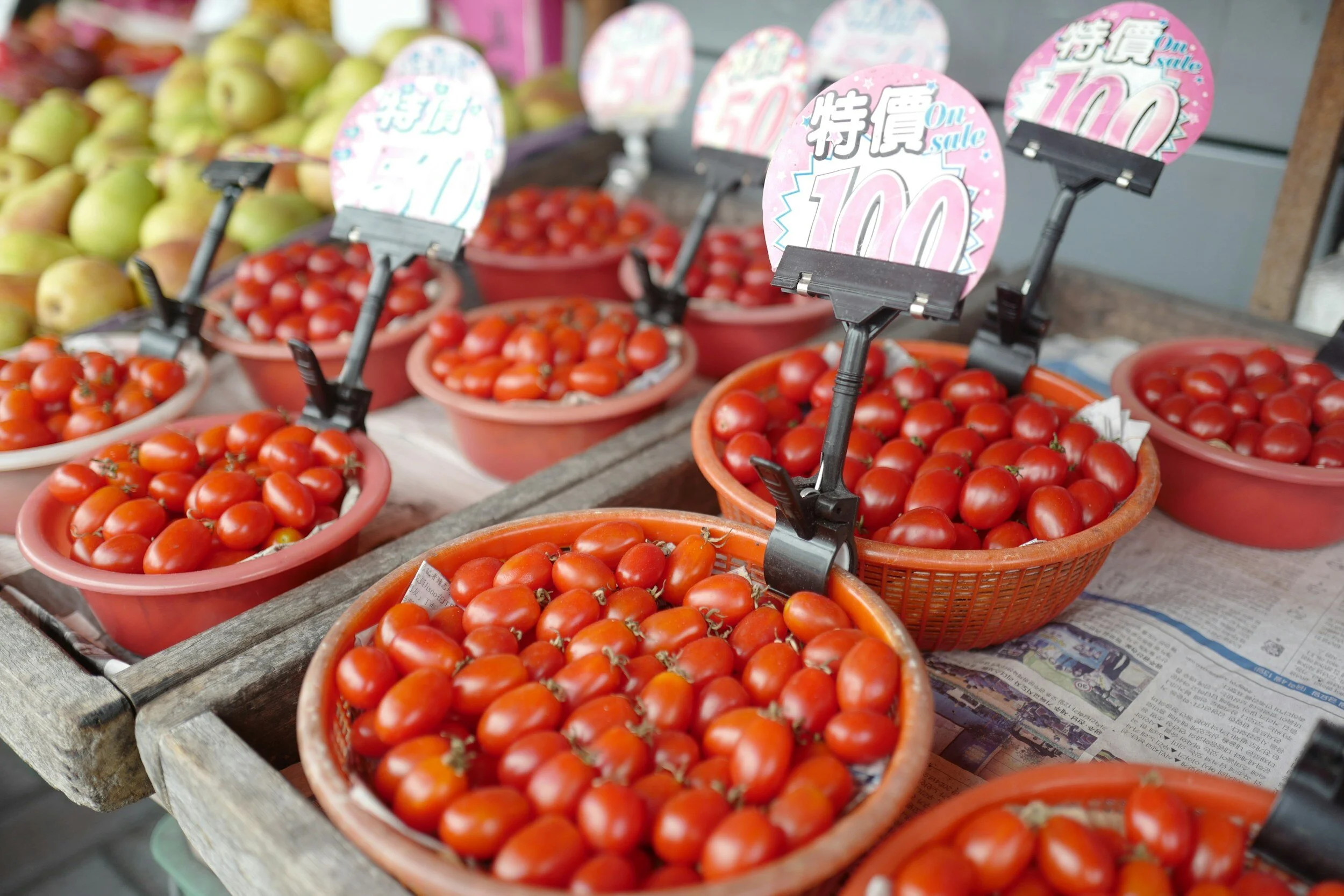
Tomatoes are a beautiful source of vitamin C for your baby
We all want our kids to grow up eating a healthy diet — and it’s hard to think of a healthier food than vegetables. Full of complex carbs, fiber, vitamins, minerals, and antioxidants, veggies are a dietary building block of wellness, even for very young children.
But the question always follows: Can you actually get your kid to like vegetables? The battle over a plate of veggies is a classic parent-child power struggle.
Here’s how to not only choose the best veggies for your baby, but prepare them in ways that will help your kiddo become a veggie lover for life.
Best vegetables for young babies
For babies just starting to eat solids (around 6 months or so), try these six softer, blendable veggies.
Carrots
Bugs Bunny’s fave orange veggies are a baby food staple for good reason. Once cooked, carrots puree beautifully and offer a not-too-piquant flavor for baby’s sensitive palate.
Plus, they contain plenty of fiber to promote healthy digestion, as well as beta carotene, which converts to vitamin A to boost vision and immune function.
Spinach
Speaking of cartoon characters’ favorite vegetables, remember Popeye’s love for spinach? This leafy green deserves its cartoon reputation for being rich in iron — a nutrient babies especially need for energy and development.
Cooked, pureed spinach is best for younger infants. Add a sprinkle of salt to enhance taste.
Pumpkin
Pumpkin may bring to mind chilly temperatures and falling leaves, but with canned varieties, your child can enjoy the gourds any time of year. Pureed pumpkin’s smooth texture is ideal as one of baby’s first foods, and high amounts of A and C round out its nutrient profile.
Avocados
Avocados are the heroes of healthy monounsaturated fats. These important macronutrients help develop baby’s brain and nervous system, as well as increase absorption of fat-soluble vitamins A, D, E, and K. Meanwhile, each serving of avocado comes with a sizable dose of fiber and folate.
Keep in mind that a little bit of high fat avocado goes a long way. Start with a serving of about 1 tablespoon, mashed.
Sweet potatoes
Mashed cooked sweet potatoes not only make for easy-peasy serving to your little one, they’re loaded with nutrients, too! Like carrots and pumpkin, sweet potatoes burst with immune- and vision-supporting vitamin A, plus plenty of fiber, manganese, vitamin B6, and vitamin C.
When serving sweet potato to your baby, be sure to mash well and remove the skin.
Peas
Mushy peas might not sound like a culinary delight to adults, but they’re an excellent choice for infants. These little green balls are one of the highest-protein veggies, with 4 gramsTrusted Source per serving.
To serve, simply steam frozen peas and blend until pureed. You can even add a bit of breast milk for a thinner consistency.
Best vegetables for older babies
As your baby becomes more of a solid food pro, try introducing these six veggies.
Broccoli
With cancer-fighting compounds and micronutrients galore, broccoli is an extremely healthy veggie for people of all ages.
Turn your baby on to this cruciferous superfood by serving steamed or roasted broccoli by itself, or add it to pasta dishes, cheesy baked potatoes, or soups cooled to room temperature.
…
The bottom line
Contrary to the stereotypes, getting your kid to eat their vegetables doesn’t have to be an epic battle of the wills. By introducing a wide variety of veggies and preparations from a young age, you’ll give your little one the best chance of developing a veggie-loving palate.
Even if your high chair gourmand spurns spinach or turns up a nose at turnips, don’t despair! Keep at it. The more you expose your child to any food, the more likely they are to eventually accept (and even enjoy) it.